
How to Prevent Dry, Cracked Cuticles: Simple Daily Care Routine

If your cuticles heal and then crack again a few weeks later, the problem usually isn’t treatment, it’s prevention.
Once cuticles are damaged, they’re more likely to split again unless daily habits change. The good news is preventing dry, cracked cuticles doesn’t require expensive products or complicated routines. Small, consistent steps make the biggest difference.
Dry, cracked cuticles can be prevented by keeping the skin barrier strong through regular moisture, gentle nail care, and protection from harsh products. Daily use of cuticle oil, avoiding cutting or picking, and wearing gloves during cleaning are the most effective ways to stop cracking before it starts.
For step-by-step solutions and quick relief, see this breakdown of how to fix dry, cracked cuticles fast.
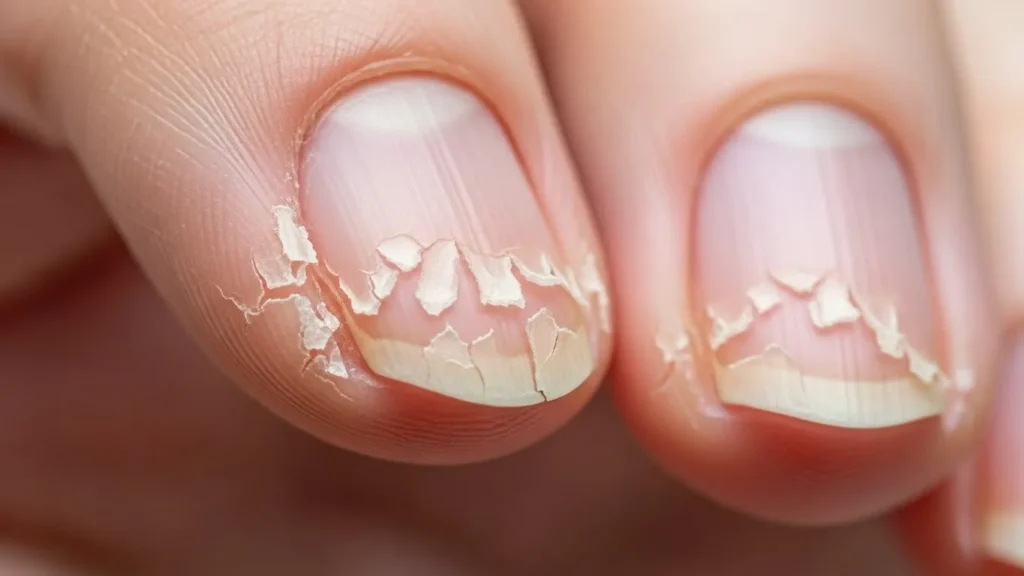
Why prevention matters more than constant repair
Repeated cracking weakens the skin around the nail. Each time cuticles split, they take longer to heal and become more sensitive.
Focusing on prevention keeps cuticles flexible, comfortable, and less prone to painful tears, especially during seasonal changes or frequent hand washing.
Daily habits that protect cuticles
A few everyday habits can dramatically reduce dryness.
- Apply cuticle oil at least once daily
- Use gentle hand soaps instead of harsh cleansers
- Avoid cutting cuticles
- Keep hands protected from chemicals and cold air
Supporting overall nail health also helps. Following an easy at home routine for stronger, healthier nails improves both nail strength and cuticle condition.
Morning cuticle care routine
Start the day by reinforcing moisture.
After washing your hands, apply cuticle oil and massage it gently into the nail base. This helps seal in hydration before daily activities dry the skin out.
Night time cuticle care routine
Night care is where prevention really works.
Apply a thicker cuticle balm before bed and massage it into the cuticles. This gives your skin hours of uninterrupted repair while you sleep.
If you’ve dealt with damage from gel or acrylic services, following advice on recovering from gel or acrylic damage can help prevent future cracking.
How to Heal Cuticles Overnight
Healing cuticles overnight is all about sealing in moisture and giving your skin uninterrupted time to repair. While deep cracks won’t disappear in one night, this routine can noticeably reduce dryness, soreness, and peeling by morning.

Step 1: Start with clean, slightly damp hands
Wash your hands with a gentle soap and pat them dry, leaving the skin slightly damp. This helps lock in moisture once products are applied.
Step 2: Apply a nourishing cuticle oil
Massage a few drops of cuticle oil into each nail and surrounding skin. Focus on cracked areas and gently massage for about 30 seconds to improve absorption.
Step 3: Seal with a thick balm or ointment
Apply a generous layer of cuticle balm, ointment, or petroleum jelly over the oil. This step is key, it seals in hydration and protects the skin barrier overnight.
Step 4: Wear cotton gloves while you sleep
Slip on cotton gloves before bed. This prevents moisture from rubbing off on sheets and allows ingredients to work for hours without interruption.
What results to expect by morning
By morning, cuticles usually feel softer, less tight, and less irritated. With nightly care, visible cracks often improve within several days.
Weekly maintenance for healthy cuticles
Once a week, gently push back cuticles after showering when the skin is soft. Avoid trimming unless necessary.
Light exfoliation with a soft towel is usually enough to remove dry skin without irritating.
How nail services impact cuticle health
Frequent manicures, acetone use, and improper tool use can dry out cuticles over time.
Learning how to get salon quality nails at home with pro tools helps reduce unnecessary damage while keeping nails polished and healthy.
Best long-term products for cuticle protection
Look for products that nourish rather than just coat the skin.
- Jojoba oil
- Vitamin E
- Shea butter
- Squalane
High-quality options found in luxury nail care products often combine these ingredients for better long-term protection.
Mistakes that lead to recurring cracked cuticles
Avoiding these common mistakes makes prevention easier.
- Skipping cuticle care once cracks heal
- Overusing acetone
- Picking peeling skin
- Relying only on a lightweight hand lotion
Can Vitamin Deficiencies Cause Dry or Peeling Cuticles?
Yes, vitamin deficiencies can play a role in dry or peeling cuticles, but they’re usually just one part of the picture. Cuticles rely on proper nutrition to stay flexible, hydrated, and strong. When certain nutrients are low, the skin around the nails can become dry, thin, and more likely to peel or crack.
That said, vitamin deficiencies are less common than everyday causes like frequent hand washing, harsh nail products, weather changes, or skipping regular cuticle care.
Vitamins linked to dry and peeling cuticles
Several vitamins support healthy skin and nail growth. Low levels may contribute to cuticle problems, especially when combined with external dryness.
Biotin (Vitamin B7)
Biotin helps support healthy skin and nails. When levels are low, nails may become brittle and the cuticle area can appear dry or prone to peeling.
Vitamin E
Vitamin E helps protect the skin barrier and supports moisture retention. A lack of vitamin E may lead to dry, flaky skin around the nails.
B-complex vitamins
B vitamins support skin renewal and repair. Low levels can sometimes show up as cracking, peeling, or irritation around the cuticles.
Iron (indirectly)
Iron deficiency doesn’t directly dry out cuticles, but it can weaken nails and slow skin repair, making cuticles more vulnerable to damage.
How to tell if a vitamin deficiency may be involved
Dry or peeling cuticles alone don’t automatically mean a deficiency. However, it may be worth looking deeper if you notice:
- Cuticles stay dry or peel despite daily oil and balm use
- Peeling affects multiple fingers consistently
- Nails are brittle, thin, or slow growing
- You also experience fatigue or general skin dryness
A healthcare provider can help determine whether a nutrient deficiency is involved through proper testing.
Can supplements fix dry or peeling cuticles?
Supplements can help if a true deficiency exists, but they aren’t an overnight solution. Even when vitamin levels improve, cuticles still need consistent topical care to heal and stay protected.
A balanced diet, proper hydration, and daily cuticle care usually provide better long-term results than supplements alone.
When dry or peeling cuticles are not caused by vitamins
In many cases, dry or peeling cuticles have nothing to do with vitamin levels. More common causes include:
- Frequent hand washing or sanitizer use
- Cold or dry weather
- Acetone or harsh nail products
- Cutting, picking, or over grooming cuticles
Addressing these habits often improves cuticle health faster than changing supplements.
The safest approach to healthier cuticles
The most effective way to improve dry or peeling cuticles is a combined approach. Support your body with good nutrition and hydration while protecting your cuticles externally with gentle care, regular oil use, and moisture sealing.
When both internal and external factors are addressed, cuticles are far more likely to stay soft, healthy, and crack-free long term.
Dry, Cracked Cuticles: Home Remedies That Actually Help
Home remedies for dry, cracked cuticles can be helpful when used gently and consistently. Focus on moisture, protection, and avoiding irritation. With the right care, cuticles usually improve within days and stay healthier long term.
Warm oil soak
A warm oil soak is one of the easiest and most effective home remedies.
Soak fingertips in warm olive oil, coconut oil, or almond oil for 5 to 10 minutes. This helps soften dry skin and improves flexibility around the nail base. Follow with a thick balm to seal in moisture.
Petroleum jelly overnight treatment
Petroleum jelly works by locking in moisture and protecting cracked skin.
Apply a generous layer to clean cuticles before bed, then wear cotton gloves overnight. This simple remedy often reduces dryness and discomfort by morning.
Honey as a moisture seal
Honey has natural humectant properties that help draw moisture into the skin.
Apply a small amount to cuticles, leave on for 10 minutes, then rinse and apply a nourishing balm. This works best for mild dryness rather than deep cracks.
Gentle exfoliation with a soft towel
Light exfoliation removes flaky skin without damaging healthy cuticles.
After showering, gently rub cuticles with a soft towel once a week. Avoid harsh scrubs, which can worsen cracking.
What to avoid with home remedies
Not all DIY treatments are helpful.
Avoid lemon juice, vinegar, baking soda, or alcohol based mixtures. These can sting, dry out the skin further, and slow healing.
When home remedies are enough
Home remedies work best for mild to moderate dryness. If cuticles are deeply cracked, painful, or bleeding, combining home care with proper cuticle products and protective habits will lead to better results.
Dry Cuticles and Skin Around Nails: Causes and Treatment
Dry cuticles and skin around the nails are usually the result of small daily habits adding up over time. With gentle care, regular moisture, and protection, most cases improve quickly and stay under control.
Common causes of dry cuticles and skin around nails
Frequent hand washing and sanitizer use
Soap and alcohol based sanitizers strip natural oils from the skin. When moisture isn’t replaced right away, the skin around the nails dries out and starts to crack.
Weather and environmental exposure
Cold air, low humidity, wind, and indoor heating all pull moisture from the skin. This is why dryness often worsens during colder months.
Harsh nail products and chemicals
Acetone, gel polish removers, and strong nail treatments can weaken the skin barrier around nails. Over time, this leads to peeling and cracked cuticles.
Cutting, picking, or over grooming cuticles
Cutting cuticles removes their protective function. Picking peeling skin creates tiny tears that turn into painful cracks.
Weak nail and skin health
Brittle nails and dry cuticles often appear together. When nails are weak, the surrounding skin becomes more vulnerable to damage.
Dehydration and nutrition
Not drinking enough water or lacking certain nutrients can contribute to dry skin around the nails, especially when combined with external dryness.
How to treat dry cuticles and skin around nails
Moisturize consistently, not occasionally
Apply cuticle oil once or twice daily, especially after washing your hands. Follow with a thicker cream or balm to seal in moisture.
Protect hands from further damage
Wear gloves when cleaning, washing dishes, or using chemicals. This prevents moisture loss and protects fragile skin.
Use gentle nail care habits
Avoid cutting cuticles. Gently push them back after showering when the skin is soft. Limit acetone use when possible.
Repair overnight
At night, apply a thick cuticle balm or petroleum jelly and wear cotton gloves while you sleep. This allows deep hydration and faster healing.
Support overall nail health
Strong nails support healthier cuticles. Following a simple nail care routine helps reduce recurring dryness and cracking.
When to seek professional advice
If dryness doesn’t improve with consistent care or if you notice swelling, pain, or signs of infection, it’s best to seek professional guidance.
According to the American Academy of Dermatology’s nail care guidance, avoiding cutting cuticles and keeping nails moisturized helps protect the skin barrier and prevent cracking.
According to the Mayo Clinic’s guide on dry skin causes and treatment, frequent hand washing, weather changes, and harsh products are common reasons skin around the nails becomes dry and irritated.
Final thoughts
Preventing dry, cracked cuticles is easier than constantly fixing them. A simple daily routine, gentle habits, and consistent moisture go a long way.
Once prevention becomes part of your routine, painful cracks and rough cuticles stop being a recurring problem.